


Traumatic & Acquired
Brain Injury Support Services
Kaleidoscope Family Solutions (KFS) Massachusetts provides home- and community-based support for eligible individuals with acquired brain injuries (ABI), traumatic brain injuries (TBI), and other qualifying needs. Our services help individuals build independence, strengthen daily living skills, and participate in their communities.
Explore Service Availability by Region:

Traumatic & Acquired
Brain Injury Support Services
Kaleidoscope Family Solutions (KFS) Massachusetts provides home- and community-based support for eligible individuals with acquired brain injuries (ABI), traumatic brain injuries (TBI), and other qualifying needs. Our services help individuals build independence, strengthen daily living skills, and participate in their communities.
Explore Service Availability by Region:
Understanding Brain Injury
Acquired brain injury (ABI) and traumatic brain injury (TBI) are related terms, but they are not the same. Both describe brain injuries that occur after birth; the key difference is how the injury occurs. Understanding the differences between ABI and TBI can help individuals and families explore appropriate support services and identify resources that may meet their needs.
What Is an Acquired Brain Injury (ABI)?
An acquired brain injury is an injury to the brain that occurs after birth and is not hereditary, congenital, degenerative, or caused by birth trauma. ABI is a broad term that can include brain injuries caused by external forces as well as other acquired causes.


Brain Injury & Community-Based Services
Through KFS Massachusetts
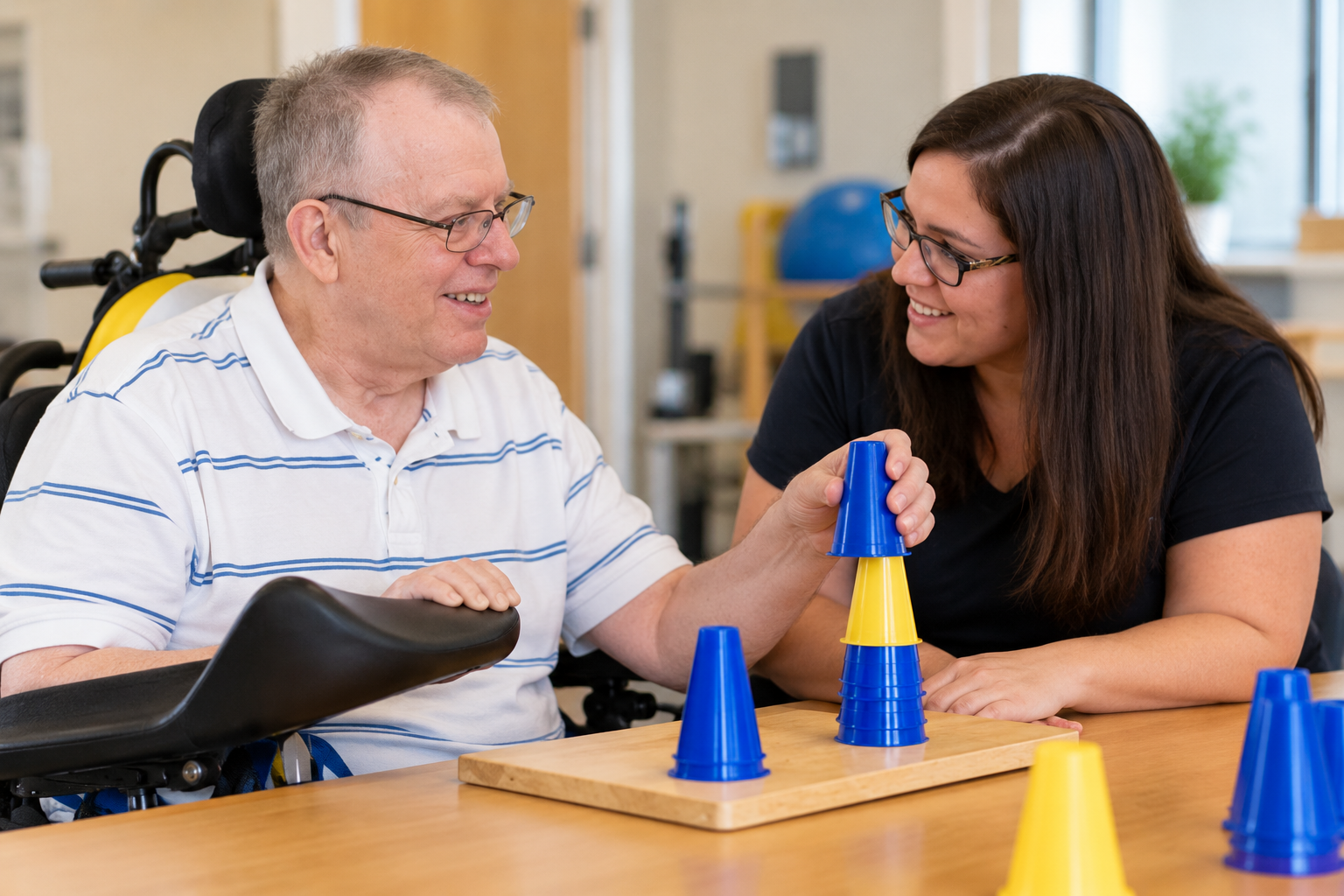
KFS Massachusetts provides home- and community-based supports for eligible individuals with acquired brain injury, traumatic brain injury, physical disabilities, and other qualifying needs. Services are intended to support individuals transitioning from facility-based care into community living.
KFS is a provider agency for Massachusetts waiver programming, including the Money Follows the Person (MFP) Community Living Waiver. Eligibility and available services depend on the individual’s waiver enrollment, assessed needs, and approved service plan.
Services Provided Through the MFP-CL Waiver
KFS provides two services through the Massachusetts Money Follows the Person Community Living Waiver (MFP-CL).

A Person-Centered
Approach to Support
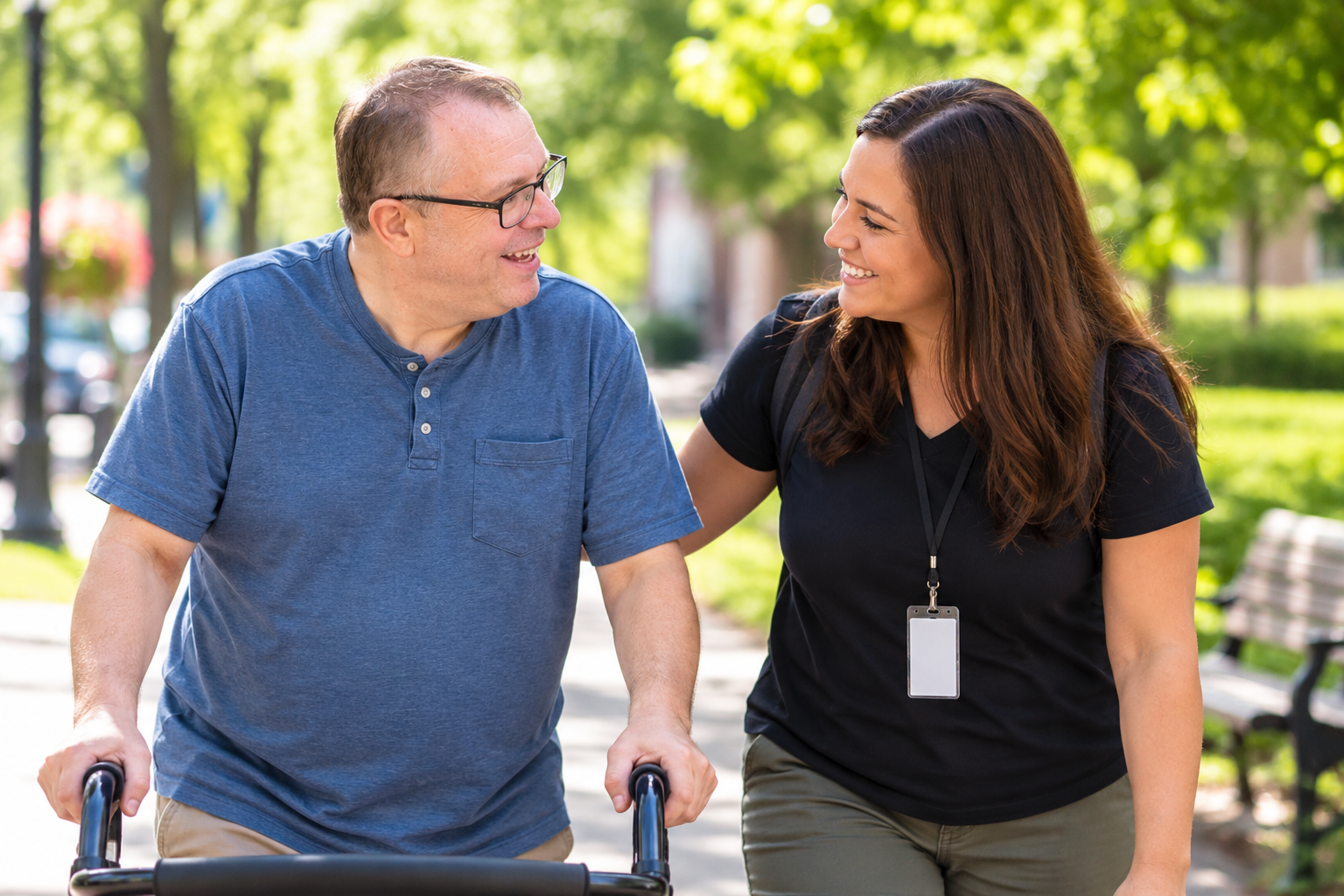
At KFS, services are centered on the individual rather than a one-size-fits-all program. The person receiving services plays an active role in identifying goals, preferences, strengths, and support needs.
A Person-Centered Plan (PCP) helps guide service delivery. Planning is coordinated with the participant, case manager or service coordinator, providers, guardians when applicable, and other members of the individual’s support team. The plan is reviewed and updated as needs and goals change.